Massive Earthquake Strikes Pacific Regions
Massive Earthquake Strikes Pacific Regions
A powerful earthquake struck the Pacific region early Monday morning, sending shockwaves across multiple countries and triggering widespread devastation. The quake, which registered a magnitude of 8.2 on the Richter scale, was centered off the coast of a tectonically active zone in the Pacific Ocean, affecting nations including Japan, the Philippines, Indonesia, and parts of Papua New Guinea.
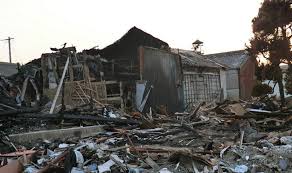
The earthquake struck at a depth of approximately 25 kilometers, making it shallow enough to cause intense surface shaking. In the immediate aftermath, buildings crumbled, infrastructure was damaged, and millions were left without power. Emergency sirens blared in coastal cities as authorities issued urgent tsunami warnings, prompting the evacuation of thousands of residents living near the shorelines.
In Japan, several coastal towns experienced flooding after a series of tsunami waves, some reaching heights of up to three meters, swept inland. Rail lines were suspended, airports temporarily closed, and emergency shelters opened to accommodate displaced families. In the Philippines, reports of landslides in rural mountain areas added to the growing toll, complicating rescue and relief operations.
Casualty numbers are still being confirmed, but early estimates suggest hundreds have been killed or injured, with many more missing. Governments in the region have declared states of emergency and mobilized military and disaster response units to aid in search and rescue efforts. International aid organizations and neighboring countries have also pledged support, offering financial assistance, medical aid, and rescue personnel.
The earthquake has once again highlighted the vulnerability of the Pacific Ring of Fire, a seismically active region known for frequent earthquakes and volcanic eruptions. Experts from geological institutes are monitoring aftershocks, some of which have already surpassed magnitude 6.0, further endangering weakened buildings and hindering relief efforts.
Global leaders have expressed solidarity with the affected countries. The United Nations has called for a coordinated international response, while humanitarian groups are launching appeals for donations to support survivors.
As the region begins the difficult process of recovery, attention is turning to infrastructure resilience and disaster preparedness. Engineers and policymakers are calling for stricter building codes and early warning systems to prevent future tragedies.
This massive earthquake stands as a stark reminder of nature's power and the importance of regional cooperation in responding to such catastrophic events.