World Leaders Convene for Emergency Climate Summit
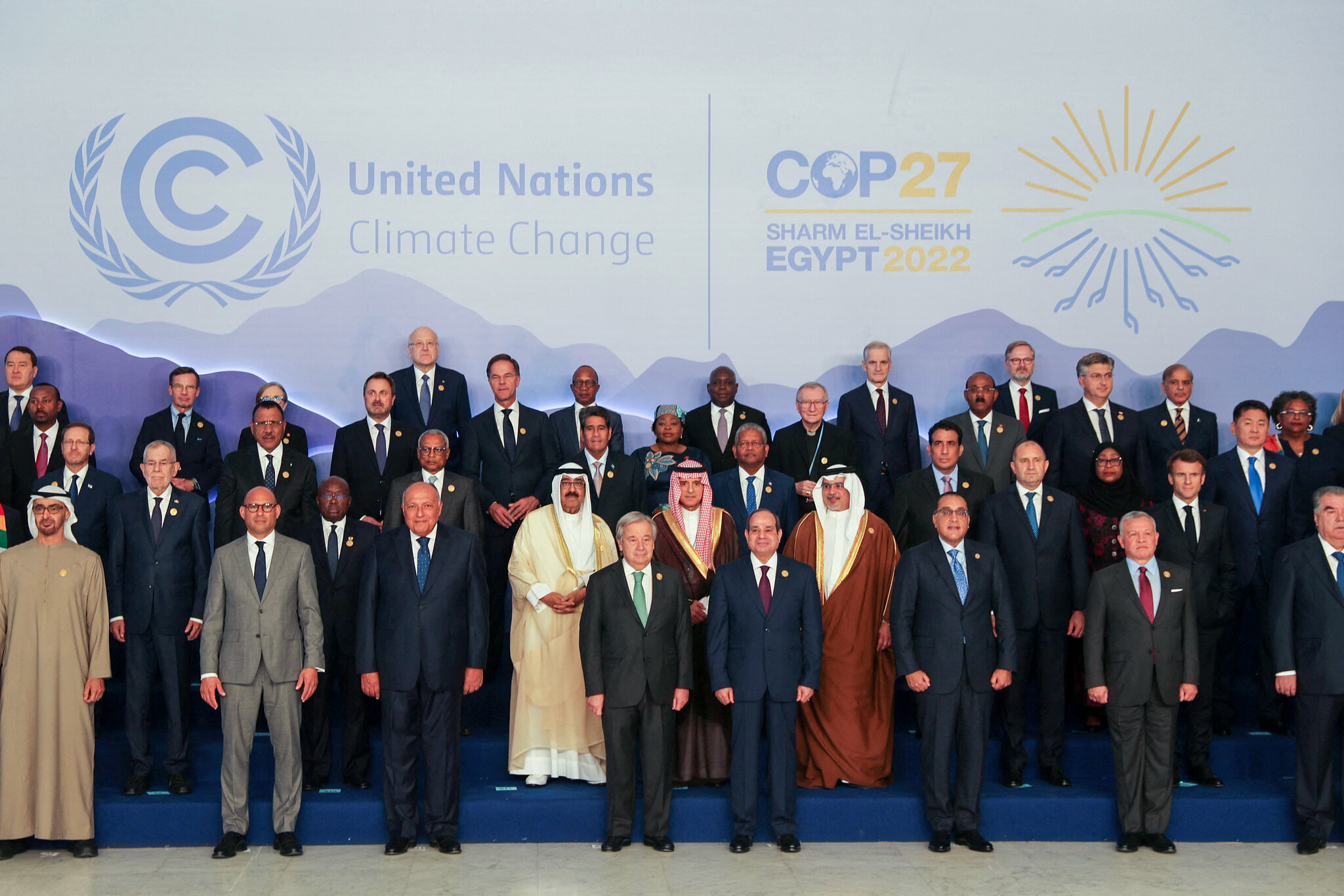
World Leaders Convene for Emergency Climate Summit
In an urgent response to escalating climate crises around the globe, world leaders from over 100 nations gathered this week for an Emergency Climate Summit. Held in Geneva, Switzerland, the summit comes on the heels of a series of devastating natural disasters—including record-breaking heatwaves, catastrophic flooding in Asia, and unprecedented wildfires in South America—that have underscored the growing urgency of climate change. This extraordinary assembly marks one of the largest and most diverse international climate gatherings in recent years, signaling a renewed global commitment to addressing environmental challenges with unified action.
The summit's central focus is on accelerating efforts to reduce carbon emissions, transition to renewable energy sources, and support vulnerable nations disproportionately affected by climate change. Leaders are expected to discuss stricter enforcement of the Paris Agreement targets, with some advocating for even more ambitious climate goals in light of recent scientific reports from the Intergovernmental Panel on Climate Change (IPCC). These reports warn that the world is dangerously close to surpassing the 1.5°C warming threshold, which could trigger irreversible damage to ecosystems and human societies alike.
Key figures attending the summit include the heads of state from the United States, China, India, and members of the European Union, as well as representatives from small island nations and African countries who have consistently called for more climate justice and financial support. Civil society groups, scientists, and indigenous leaders are also playing a prominent role, urging governments to move beyond promises and take immediate, measurable action.
One of the most anticipated developments is the potential creation of a new global climate fund aimed at supporting mitigation and adaptation projects in the developing world. Discussions are also expected to cover technological innovation, the phasing out of fossil fuel subsidies, and strategies for holding major polluters accountable.
As the summit continues, observers around the world are watching closely to see whether this high-stakes gathering will result in concrete policy changes or fall short of its ambitious goals. With the effects of climate change becoming increasingly visible and destructive, the world now looks to its leaders to rise to the occasion and turn this moment of crisis into a turning point for the planet’s future.